How Tether Became Venezuela’s Unofficial Dollar and Replaced the Bolívar
In the midst of one of the deepest currency crises in modern history, Tether (USDT) — a dollar-pegged stablecoin — has quietly become the preferred medium of exchange for millions of Venezuelans grappling with hyperinflation and limited access to U.S. dollars.
 Coinccino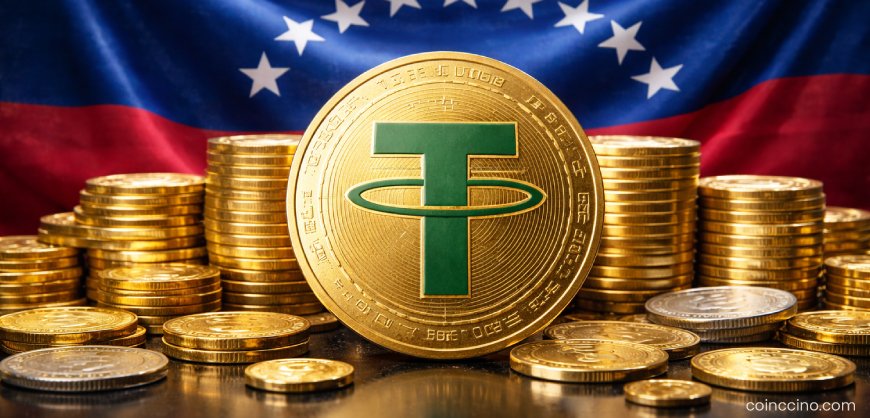
Bolívar’s Collapse and the Rise of USDT
Venezuela’s national currency, the bolívar, has suffered staggering value loss year after year, leaving everyday transactions, savings, and pricing mechanisms almost impossible to manage. With inflation north of 200%, residents and businesses alike started looking for alternatives that could offer stability and predictability.
“Binance Dollars” Take Over Daily Life
Stablecoins — particularly USDT — stepped into the breach. Locally known as “Binance dollars,” USDT is widely used for routine activities:
- Merchants quote prices in USDT instead of bolívars.
- People pay for groceries, condo fees, and services in stablecoins.
- Small and mid-sized businesses run payroll and manage suppliers with USDT.
Its liquidity and consistent dollar peg — especially on peer-to-peer (P2P) platforms — have made USDT more accessible than physical U.S. cash or unreliable local currency.
Crypto Adoption Goes Mainstream
Recent data shows Venezuela ranks among the top countries in per-capita crypto use, with stablecoins comprising a large share of small-value transactions. As traditional financial systems falter, digital dollars provide a de facto way to hold value and make payments without daily fear of currency depreciation.
Why This Shift Matters
- Everyday Commerce: Even routine bills and services are now priced and settled in USDT.
- Economic Lifeline: Citizens and businesses use stablecoins as functional money, preserving purchasing power where bolívars cannot.
- P2P Networks: Peer-to-peer exchanges and digital wallets fill gaps left by limited banking infrastructure.
This isn’t official dollarization — Venezuela still hasn’t adopted the U.S. dollar as legal tender — but in practice, stablecoins now act as the operational currency for millions of daily transactions.