Russia Bans Ukrainian-Founded Crypto Exchange, Criminalizes User Interaction
Russia bans a Ukrainian-founded crypto exchange, criminalizes user interaction, and tightens digital asset controls amid rising geopolitical and financial tensions.
 Grace Amelia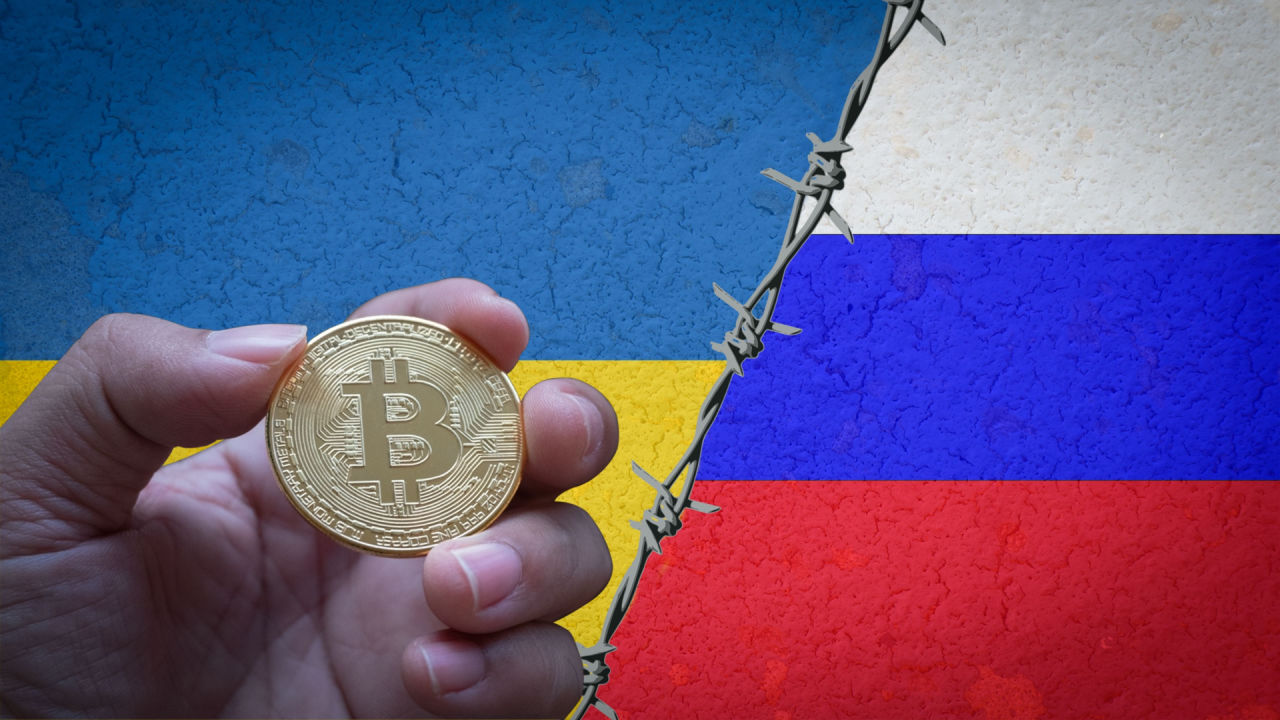
TLDR
-
Russia bans Ukrainian crypto exchange and criminalizes all user activity
-
Moscow blocks crypto platform, citing security, finance, and political risks
-
Russia cracks down on foreign crypto firms linked to Ukraine conflict
Russia Bans Ukrainian-Founded Crypto Exchange, Criminalizes User Interaction after prosecutors imposed a sweeping ban on a major digital trading platform. The decision immediately criminalized user activity and barred all business operations inside Russian territory. As a result, the move reshaped legal risks across the domestic cryptocurrency sector.
Reasons Behind the Designation
Russia Bans Ukrainian-Founded Crypto Exchange, Criminalizes User Interaction after authorities linked the platform to military and political support activities. Officials alleged that the exchange transferred funds to Ukraine’s armed forces and supported defense equipment procurement. They cited technical assistance provided to government-linked donation platforms.
Prosecutors also accused the company of enabling fund transfers that bypassed Russian currency restrictions and regulatory controls. They argued that these mechanisms allowed large capital outflows through loosely supervised channels. Authorities framed the platform as a national security concern.
Russia Bans Ukrainian-Founded Crypto Exchange, Criminalizes User Interaction as officials emphasise cooperation with Ukrainian state institutions. They argued that such cooperation demonstrated political alignment and operational support. The designation followed national security laws governing foreign organizations.
Company Response and Market Position
The company stated that it exited the Russian market shortly after the Ukraine conflict began. It blocked Russian and Belarusian accounts and removed ruble trading pairs during early operational changes. Russia Criminalizes User Interaction despite these withdrawals, which the company described as preventative compliance measures.
Executives stressed that global operations continued without interruption. International expansion remained a strategic priority. The platform currently serves millions of users across multiple jurisdictions and recently entered the United States market. It maintained stable operations across Europe, Asia, and emerging economies.
The firm denied ongoing involvement in Russian markets and emphasized regulatory adherence elsewhere. It highlighted compliance programs and transaction monitoring systems. Consequently, management framed the designation as politically motivated. Russia Criminalizes User Interaction as geopolitical tensions increasingly influence regulatory outcomes. Market participants now face expanding jurisdictional complexity.
Wider Regulatory and Geopolitical Context
Russia Criminalizes User Interaction within a broader digital asset crackdown. The central bank is preparing strict licensing standards for exchanges. These standards should take effect by mid-2026. Legislators proposed investment caps for non-professional participants to limit speculative exposure. Regulators outlined criminal penalties for unauthorized crypto intermediaries starting in 2027.
Authorities aim to strengthen financial sovereignty and reduce capital flight. Digital asset markets now operate under heavier state oversight. This approach reflects national security priorities. Russia Bans Ukrainian-Founded Crypto Exchange, Criminalizes User Interaction and sends a diplomatic signal regarding regional alliances. Officials underscored political alignment as a regulatory factor.
The ruling highlights the intersection of financial regulation and international conflict. It underscores rising risks for cross-border crypto platforms. Global firms face complex compliance landscapes. This marks a turning point for Russia’s digital asset policy. Authorities demonstrated readiness to impose criminal sanctions.