
Bulgaria’s Bitcoin Stash Surpasses National Debt: A Crypto Windfall That Could Rewrite Financial History
Bulgaria’s 213K BTC stash may exceed its national debt, raising questions about Bitcoin as a sovereign reserve asset.
 Coinccino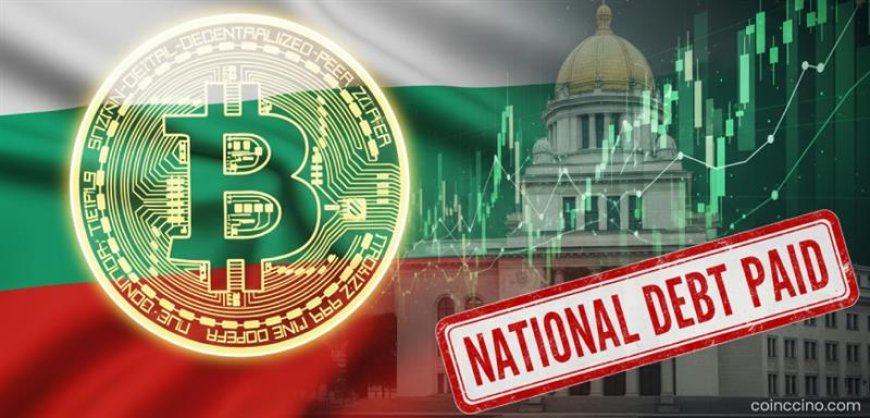
Bulgaria is back in the spotlight — and this time, it’s not for policy or regulation, but for a staggering possibility: its Bitcoin holdings may now exceed the country’s entire national debt. If confirmed, this could mark one of the most unexpected financial stories in modern history.
What started as a confiscation years ago might now represent a multi-billion-dollar strategic advantage — or at least a powerful “what if” scenario the world can’t ignore.
A Massive Bitcoin Seizure Turned Billion-Dollar Asset
The story traces back to 2017, when Bulgarian authorities seized a significant amount of Bitcoin.
Key highlights include:
• 213,519 BTC confiscated in early 2017
• Valued at around $500 million at the time
• Worth over $13 billion as of July 2025
• Now exceeding Bulgaria’s national debt of approximately €12.5 billion
What was once a routine seizure has potentially become one of the most valuable government-held crypto assets ever.
Why This Matters More Than It Seems
If Bulgaria still holds this Bitcoin, the implications could be historic.
Potential implications include:
• First country to theoretically offset national debt using crypto reserves
• A new model for sovereign wealth backed by digital assets
• Shift in how governments view Bitcoin as a reserve asset
• Increased interest from developing nations exploring alternatives
This isn’t just about profit — it’s about redefining what national reserves could look like.
Market Sentiment: A New Narrative for Bitcoin
The idea of a country holding enough BTC to rival its debt is fueling new conversations across the crypto space.
Key sentiment drivers include:
• Bitcoin increasingly seen as a store of sovereign value
• Growing belief in BTC as “digital gold” for nations
• Rising curiosity about government-held crypto assets
• Speculation about other countries following similar paths
Moments like this push Bitcoin further into the realm of serious macroeconomic discussion.
Bigger Picture: Bitcoin as a Geopolitical Asset
Beyond Bulgaria, this situation highlights a broader shift in how digital assets are perceived globally.
Key factors include:
• Countries exploring Bitcoin as a hedge against fiat instability
• Comparisons between BTC, gold, and traditional reserves
• Increasing legitimacy of crypto in government strategies
• Potential rise of crypto-backed national financial models
If confirmed, Bulgaria could join — or even lead — a new wave of crypto-aware nations.
Transparency Questions Still Loom
Despite the excitement, there’s a major unanswered question: Does Bulgaria still hold the Bitcoin?
Potential challenges include:
• Lack of clear public records on the BTC’s current status
• Conflicting reports about whether it was sold
• Concerns over transparency in handling public assets
• Uncertainty limiting the full impact of the narrative
Until verified, this remains a powerful — but incomplete — story.
What to Watch Next
As speculation grows, the focus now shifts to clarity and confirmation.
Key things to watch:
• Official statements from the Bulgarian government
• Blockchain data tracking potential wallet movements
• Policy discussions around national crypto reserves
• Reactions from other governments and institutions
The next revelation could either confirm a historic moment — or reshape the narrative entirely.
Final Take
Bulgaria’s Bitcoin story sits at the intersection of crypto, economics, and geopolitics. If the country still holds its 213K BTC, it may unknowingly be sitting on a financial position that could rival — or even eliminate — its national debt.
But until transparency catches up with speculation, the story remains part fact, part mystery. Either way, it highlights one undeniable truth: Bitcoin is no longer just an asset — it’s becoming a global financial force.